
Celebrating the Soul of African Jazz
Mpumi Dhlamini speaks at a rapid pace, his energy reflecting a life filled with multiple passions – music, fitness, studying, and even target shooting.
Once a promising football player, he left the sport, realizing it was his father’s dream, not his. Now, he’s a sought-after music producer, a multi-instrumentalist, a nutritionist, and a personal trainer. Despite his packed schedule, he prioritizes rest, ensuring nine hours of sleep each night to stay sharp and adaptable.
His insatiable thirst for knowledge sets him apart, particularly in the music industry. He approaches instruments with an analytical mindset, believing muscle memory and repetition are key to mastering them. Yet his initial motivation for learning an instrument was simple – romance. “At the National School of the Arts in Johannesburg, I realised no one would take a recorder player seriously, so I needed something else.”
Following his time at Drakensberg Boys Choir, he enrolled at the arts school, where studying two instruments was mandatory. Voice was one, but piano was off the table – Grade 8 exams had to be completed before matric, and he hadn’t started. He flat-out refused to play the recorder and warned his mother he would fail. But failure wasn’t in his nature. Determined, he taught himself piano faster than the formal curriculum allowed. “I worked hard. I didn’t have a piano at home, so I practised at school. I co-wrote the school song and released my first album three years after starting piano at 17. My sports background made me hyper-competitive in a healthy way. Jumping to Grade 7 piano in two years seemed impossible, but I went straight to Grade 8 and released an album a year later.”
With trumpet and voice as his foundation, he explored orchestral percussion, mastering marimba, xylophone, and timpani. But none were chordal instruments. So, he taught himself piano and learned saxophone melodies while working on his debut album. “That was good enough for me. Then, I added bass, accordion, and more. I’ve lost count. My approach is multidisciplinary.”
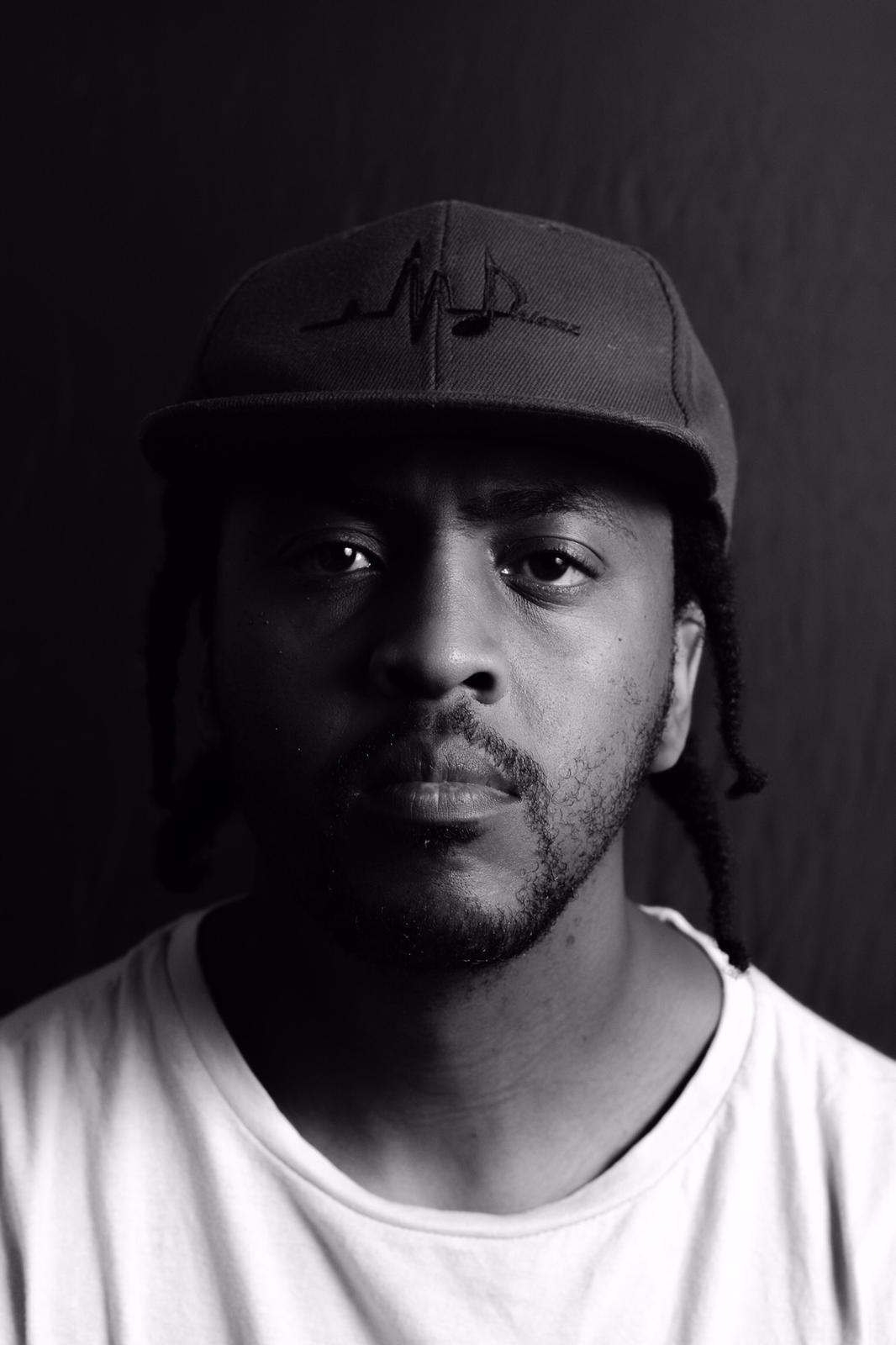
Now, nearly two decades later, Dhlamini is a celebrated multi-instrumentalist and award-winning producer. A self-proclaimed outlier in jazz, he’s never followed the conventional path. “There’s a sound people call African jazz – I don’t know what that means, and I don’t identify with it. I want my music to compete on a world stage.” His style is a hybrid of digital and analog, often featuring over 40 instruments and 100 vocals in a single song. His skills as a sound engineer allow him full creative control. “I mix, master, design my artwork – I do everything. This way, I execute my vision without inconveniencing anyone.”
His career follows a three-year cycle: performing, producing, directing for TV, and film scoring. His credits include Lira’s award-winning Celebration DVD, albums for Lulu Dikana, Wanda Baloy, Brian Temba, and Sphelelo Mazibuko. He has also composed for film, animation, and even the Zulu-dubbed SpongeBob SquarePants. “When the music industry slows, I pivot. When another sector does the same, I move again. This year, I want to consolidate everything and build a team.”
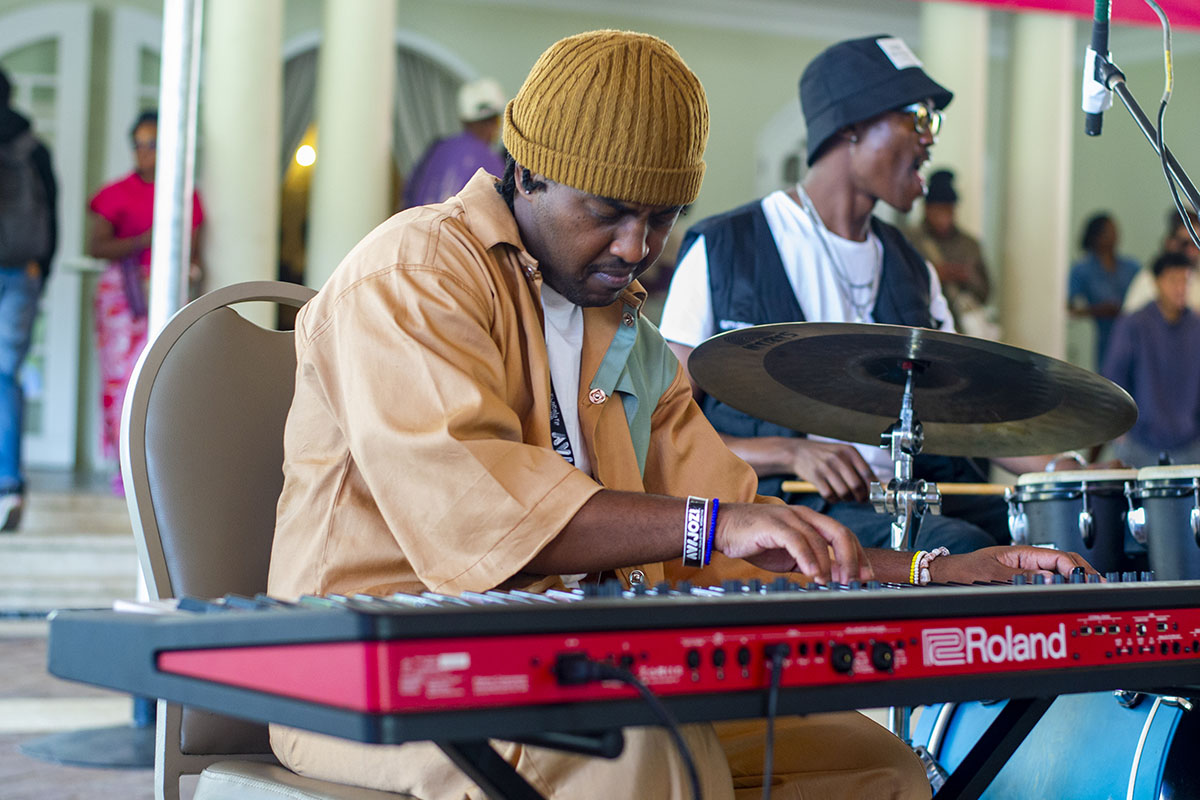
Despite his workload, he prioritises efficiency over long hours. “Nobody sleeps more than me. I get nine hours a night. Yesterday, I was scoring a play, The Picture of Dorian Gray, which I’m approaching like a film score. I also compose for Sesame Street and Takalani Sesame. I can create 40 songs for an episode in two hours. I work fast, so I get to rest more. A six-month task? I finish it in three weeks, then take time off.”
To date, Dhlamini has three and a half albums, but he won’t count his latest, a self-titled remake of his past work, as his fourth. He’s reimagining his music as he transitions to a new sound – more classical, rooted in the sixties, yet diverse. “This album blends East African influences with Mongolian sounds and Japanese melodies. I sing in Venda and Wolof. The cultural diversity will surprise people. I might drop another six albums this year – I’m sitting on over 50 unreleased albums. I just need to close this chapter of my sound.”
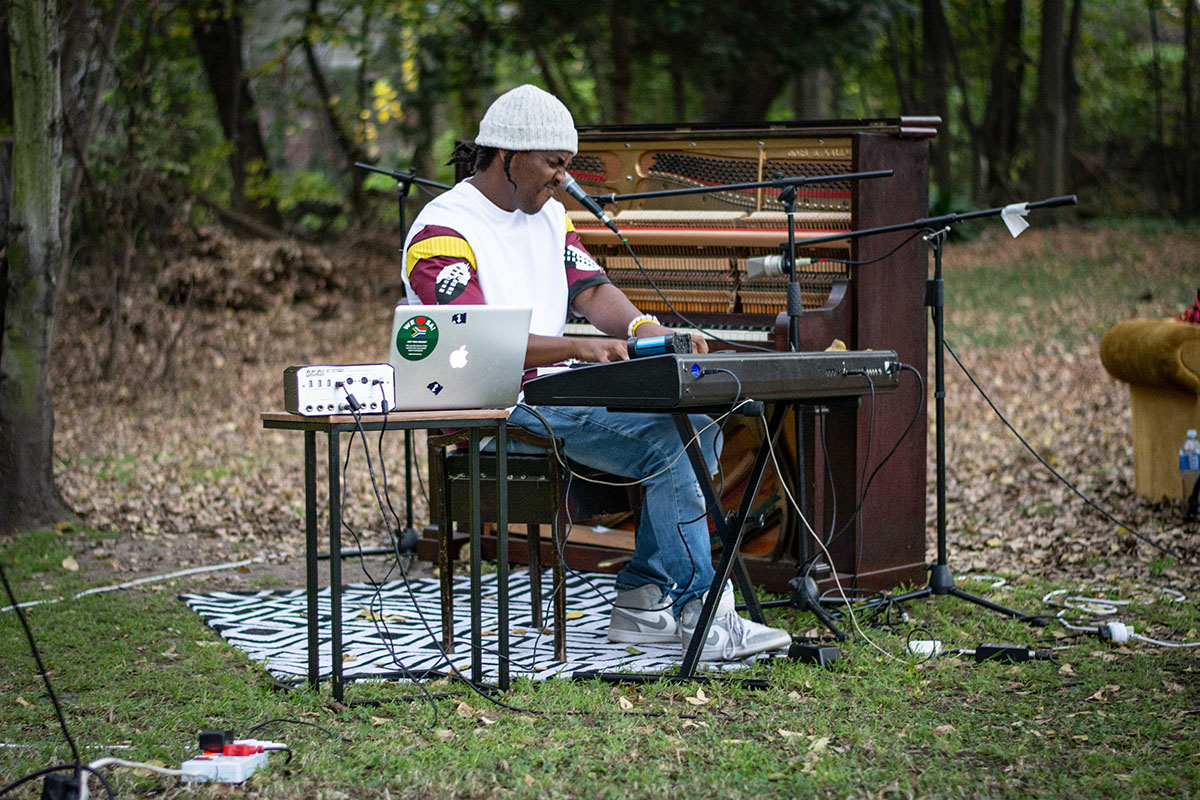
You can experience his music live at the Diamond City Jazz Festival in Botswana on 29 March 2025. For the first time in his 18-year career, he will perform his album exactly as recorded, without compromise. “Rehearsal time and musician availability have always been challenges. My music has a million sections, and it’s tough for players to remember every part. This time, we started prepping two months in advance, which I’ve never done. Finally, my music will be performed the way it was meant to be heard.”
How does he stay motivated? “Self-inspiration. People ask me what I listen to. Ironically, I don’t listen to jazz. I listen to hip-hop and everything else.”

Jazz greats and young musicians share the stage
The Diamond City Jazz Festival celebrates a shared cultural heritage, bringing together artists and audiences in a collective love for jazz. The lineup includes festival director and jazz legend Sipho “Hotstix” Mabuse, McCoy Mrubata, Steve Dyer, and Bhudaza Mapefane, alongside rising stars like Mpumi Dhlamini, Nono Siile, Azana, Jordan Moozy, and Mpho Sebina.
Mabuse, a pioneer of South African jazz, continues to inspire generations with classics like Burn Out. Mrubata blends Cape jazz traditions with modern sounds, while Mapefane’s soulful saxophone and deep Sesotho jazz roots add richness to the mix. Dyer, a master saxophonist and flautist, rounds out the lineup with his signature versatility.
Beyond performances, the festival offers mentorship sessions, allowing emerging artists to engage with industry legends, refine their techniques, and deepen their understanding of jazz’s cultural significance. This initiative reflects the festival’s mission to nurture new talent, honour musical heritage, and connect generations through jazz.
Tickets are available at Webtickets for BWP 300. The festival takes place at Bojanala Waterfront in Botswana on 29 March 2025, from 9am to 11.30pm
For more information or sponsorship opportunities, contact
Nono Matuwane at +060 444 5376 or Rapula Kegopilwe at +267 75 783 070.